
Scrubs Logo

CONTACT US: 020 7870 1746
London's #1 End of Tenancy Specialists

Blog

Good Cleaning Habits for Students: Expert Tips from Scrubs Cleaning London

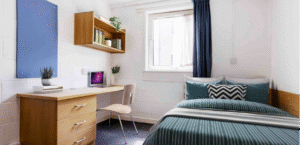
Good Cleaning Habits for Students: Expert Tips from Scrubs Cleaning London Student life is busy, fast-paced, and often messy. Whether you’re living in student halls, a shared flat, or private rented accommodation, keeping your home clean can feel like a challenge. Therefore, developing good cleaning habits is very important and far more effective than relying on occasional stressful last-minute cleans. In this article, our professional cleaners share practical cleaning habits students can follow to maintain a tidy home, along with advice on when a professional deep clean is the best solution. Why Cleanliness Matters for Students A clean home is about more than appearance; a clean environment helps students: Focus better on studying Reduce stress and mental fatigue Improve hygiene and indoor air quality Protect rental properties from damage Mess and clutter can quickly build up in student accommodation, especially in shared spaces. That’s why preventative cleaning habits are essential. Start with a Simple Daily Habit: Make Your Bed One of the simplest but most powerful habits is making your bed each morning. It takes less than two minutes and instantly makes your room look cleaner and more organized. For students, this habit creates a sense of accomplishment at the start of the day. Even if the rest of your room isn’t perfect, a made bed makes the space feel more put together. It also discourages you from throwing clothes or bags onto the bed later. Clean as You Go: A Professional Cleaning Principle “Clean as you go” is one of the most important habits for maintaining a clean house. Instead of letting messes pile up, deal with them immediately. Examples include: Washing dishes after eating Wiping kitchen surfaces after cooking Cleaning spills straight away Putting rubbish directly in the bin This habit prevents bacteria build-up and saves hours of cleaning later. Put Things Back Where They Belong and Declutter Regularly Clutter is one of the biggest challenges we see during deep cleaning in London. Clutter often comes from not returning items to their proper place. Good decluttering habits include: Assigning a place for every item – books, chargers, stationery, clothes, bags, etc. Hanging up jackets instead of tossing them on a chair Removing items, you no longer use Organising drawers and shelves regularly Avoiding unnecessary accumulation When everything has a place, cleaning becomes faster and easier. This habit is especially helpful in small student spaces where clutter builds up quickly. Keep Your Study Area Clean Your study area should be a place that supports focus and productivity. A cluttered desk can lead to a cluttered mind. Good habits for a clean study space include: Clearing your desk at the end of each study session Organizing papers and notes in folders Throwing away unnecessary papers Cleaning your keyboard and screen regularly A clean study area helps students concentrate better and makes studying more efficient. Manage Laundry Properly Laundry can easily get out of control if ignored. Develop habits that keep clothes organized and clean. Helpful habits include: Using a laundry basket instead of the floor Washing clothes once the basket is full Folding or hanging clothes immediately after washing Separating clean and dirty clothes clearly For students, staying on top of laundry prevents last-minute stress before classes or events. Daily Cleaning Habits That Make a Difference You don’t need to clean for hours every day. Many professional cleaning services in London, including Scrubs Cleaning, recommend short daily routines. Spending just 10–15 minutes a day on tasks such as: Tidying your desk Taking out the rubbish Wiping frequently touched surfaces Sweeping kitchen floors Folding clothes Short, daily cleaning sessions fit easily into a busy student schedule and prevent messes from becoming stressful. Respect Shared Spaces and create weekly cleaning routines Many students live with roommates or family members. Keeping a clean house also means respecting shared areas like kitchens, bathrooms, and living rooms. Good shared-space habits include: Cleaning up immediately after cooking Not leaving personal items in common areas Choose a specific day—like Saturday or Sunday—for slightly bigger tasks such as cleaning the kitchen or bathrooms Taking turns with cleaning duties Communicating clearly about responsibilities Respectful habits help maintain cleanliness and prevent conflicts. Book a Professional Deep Clean Occasionally Even the best cleaning habits don’t reach everything. Over time, grease, limescale, dust, and bacteria build up in hidden areas. This is why booking a professional deep cleaning service in London is so important. A deep clean targets areas often missed during regular cleaning, such as: Inside ovens and appliances Behind and under furniture Bathroom limescale and mould Kitchen grease and grime Students should consider booking a professional deep clean: At the start or end of term After exams or busy periods Before hosting guests When moving into a new property Before an end of tenancy inspection At Scrubs Cleaning, we often recommend deep cleans at key times of the year and end of tenancy cleanings before the final inspection. Combining daily habits with occasional deep cleaning delivers the best long-term results. And remember that well-maintained homes are easier and cheaper to prepare for final inspections. Final Thoughts At Scrubs Cleaning, we believe the cleanest homes are maintained through a balance of good daily habits and professional support. For students, small routines make a big difference—and an occasional professional deep clean help keep everything fresh, hygienic, and stress-free. We know that students are usually short of money, but having professional deep cleans from time to time is money well spent. If you’re a student or live on a shared accommodation in London and need help with deep cleaning, regular cleaning, or end of tenancy cleaning, Scrubs Cleaning is here to help.

Read More »

10 Time-Saving Cleaning Ideas

10 Time-Saving Cleaning Ideas Keeping a clean home is essential, but finding the time to clean can be challenging. Long working hours, commuting, and family responsibilities often leave little energy for household chores. The good news is that maintaining a tidy home doesn’t have to take hours. By using smart, time-saving cleaning ideas and combining them with deep cleaning services when needed, you can keep your home clean, organised, and stress-free all year round. 1. Clean Little and Often and Set Time Limits One of the most effective ways to reduce cleaning time is to clean small amounts regularly. Letting dirt and clutter build up leads to longer, more exhausting cleaning sessions. Setting a timer could help you stay focused and efficient. A 15–30 minute cleaning session can achieve a lot when distractions are removed. Perfection isn’t necessary. A clean home should feel comfortable, healthy, and organised—not flawless. In addition, simple habits such as wiping kitchen worktops after cooking, rinsing the sink before bed, or tidying the living room daily can significantly reduce the need for frequent deep cleaning. 2. Tidy as You Go to Prevent Build-Up One of the simplest time-saving cleaning ideas is tidying as you go. This habit prevents mess from building up and keeps your home under control. Putting items away immediately, wiping spills when they happen, and keeping surfaces clear can significantly reduce the need for intensive deep cleaning later. 3. Follow a Simple and Efficient Cleaning Routine A structured routine removes guesswork and helps you clean more efficiently. Knowing what needs to be cleaned and when saves time and effort. Example routine: Daily: dishes, surface wiping, quick tidy Weekly: vacuuming, bathroom cleaning, dusting Monthly: appliance cleaning and light deep cleaning 4. Declutter to Speed Up Cleaning Clutter slows everything down. The more items you have on surfaces, the longer it takes to clean properly. Decluttering helps: Reduce dust build-up Improve organisation Make deep cleaning faster Create a more spacious feel—especially important in London homes and flats A clutter-free space is easier to maintain and quicker to clean. It will also reduce stress and boost your mood. 5. Use the Right Cleaning Tools and Products The right tools can cut cleaning time in half. Microfibre cloths, effective vacuum cleaners, and multi-purpose cleaning products reduce the need for repeated cleaning. In terms of products, chemical-based cleaners might be more effective but can be harmful to your health, especially if you use sprays. So, please open the windows of the house when you are cleaning. 6. Focus on High-Traffic Areas First When time is limited, prioritise the areas that get used the most: Kitchens Bathrooms Living rooms Hallways Cleaning these areas regularly keeps your home looking clean, even if other rooms receive less attention. This is a common strategy used by professional deep cleaners in London. 7. Share Cleaning Responsibilities Cleaning doesn’t have to be done alone. Sharing tasks among family members or housemates saves time and keeps the home cleaner overall. 8. Combine Cleaning with Daily Activities Combine cleaning with tasks you already do: Wipe bathroom surfaces while brushing your teeth Tidy while on phone calls Empty the dishwasher while making breakfast This approach makes cleaning feel less like a chore and more like part of daily life. 9. Schedule Regular Deep Cleaning in London While daily and weekly cleaning helps, nothing replaces a professional deep clean. Scheduling deep cleaning services in London monthly or seasonally helps remove built-up dirt, bacteria, and grime. Professional deep cleaning: Saves time Improves hygiene Extends the life of surfaces and furnishings Makes regular cleaning faster and easier Many London homeowners rely on deep cleaning to maintain high standards without spending all their free time cleaning. 10. Use Smart Storage Solutions Effective storage makes tidying quicker and reduces clutter. Baskets, drawer organisers, and labelled containers are especially useful in compact homes. When everything has a place, cleaning becomes faster and less stressful. Why Time-Saving Cleaning Matters Using time-saving cleaning ideas combined with professional deep cleaning services in London allows you to: Spend less time cleaning Reduce stress Maintain a hygienic home Enjoy more free time Whether you clean yourself or hire professional cleaners in London, smart strategies make all the difference. Final Thoughts Living in London or other big cities means time is valuable, as traveling around the city and commuting take up a big chunk of it. By adopting efficient cleaning habits and scheduling regular deep cleaning, you can enjoy a clean, organised home without sacrificing your time. A professional deep clean, combined with smart daily habits, keeps your home looking its best—without the stress. At Scrubs Cleaning, we’re dedicated to helping homeowners enjoy cleaner, fresher living spaces through our deep cleaning services, carpet cleaning services and many more.

Read More »

Christmas, New Year & the Big Post-Holiday Clean

Christmas, New Year & the Big Post-Holiday Clean Christmas arrives each year with a familiar sense of magic—twinkling lights, shared meals, thoughtful gifts, and the comforting rituals that bring people together. But along with the warmth and celebration comes something else: mess. A beautiful kind of mess, but mess nonetheless. During this time of year, many homeowners rely on deep cleaning services in London; both to prepare their homes for the holiday season and to refresh them once the celebrations come to an end. This blog explores the journey from preparing for Christmas, to the excitement of the celebrations, to the big New Year reset that helps your home feel clean and organised for January. Preparing Your Home: Cleaning Before Christmas Before the guests arrive, before the decorations come out, and before the first Christmas dinner is cooked, many households begin with a pre-Christmas clean. This stage sets the foundation for a smoother, more enjoyable festive season. For many London families, December is one of the busiest months of the year, which is why pre-Christmas cleaning in London is a popular service offered by many professional cleaners in London. A thorough pre-Christmas clean may include: Dusting and wiping surfaces before decorations go up Cleaning high-traffic areas such as hallways and kitchens Deep cleaning bathrooms for expected guests Freshening carpets and rugs Polishing furniture before festive displays Preparing guest rooms Decluttering living spaces to make room for gifts and gatherings   Hiring a London cleaning company such as Scrubs Cleaning for this stage helps ensure the home feels fresh, welcoming, and ready for the season’s celebrations. It also reduces stress by giving you a clean canvas before the decorations—and the chaos—begin. Once the home is prepared, decorating becomes easier and more enjoyable, and you can start thinking about welcoming your friends and family. A clean base also helps keep the home feeling organised even as presents, wrapping paper, and festive extras begin to accumulate. The Magic (and Mess) of Christmas And once Christmas ends, the need for post-Christmas cleaning in London becomes clear. The decorations may still be up, but the quiet days after the main celebration reveal just how much tidying is needed. After the excitement settles, homes are often filled with: Leftovers from meals Empty boxes and packaging Stray decorations Pine needles Fingerprints and spills Overflowing bins   As New Year’s Eve approaches, Londoners often want a clean, organised home to welcome the year ahead. The days between Christmas and New Year are ideal for a New Year deep clean in London. Common tasks include: Cleaning kitchens after heavy use Freshening up bathrooms Vacuuming carpets Dusting surfaces and shelves Clearing away clutter Tidying up party spaces Preparing guest rooms for New Year visitors   Booking a professional cleaner in London ensures your home is party-ready or simply calm and tidy for a relaxing New Year celebration. The Big Post-New-Year Clean: Resetting Your Home When January begins, it’s time for a deeper reset. Decorations come down, rooms return to their normal layout, and the festive clutter is finally cleared. This makes early January the perfect time for holiday cleaning services in London or a full after-party cleaning service London. A typical post-New-Year deep clean includes: Taking down decorations and removing debris Dusting neglected areas Deep cleaning bathrooms and kitchens Sanitising surfaces Vacuuming thoroughly Decluttering shelves and storage spaces Washing bedding and textiles for a fresh start   For many busy London households, this is one of the most satisfying cleans of the year. New Year, New Habits With a clean home in place, January is the perfect time to introduce healthier habits and routines. Many London families book: Weekly domestic cleaning Monthly deep cleaning Regular organisation sessions Seasonal refresh services   Partnering with a trusted London cleaning company such as Scrubs Cleaning helps maintain that fresh-start feeling long after January ends. A Clean, Calm, and Organised Home for the Year Ahead The journey from preparing for Christmas, to celebrating with loved ones, to refreshing your home for the New Year follows a natural cycle of preparation, joy, and renewal. Whether you choose to tackle the cleaning yourself or rely on deep cleaning services in London, giving your home a thorough clean before and after the holidays sets the tone for a peaceful, organised, and positive year ahead. Please give Scrubs a call if you need any help during this festive time. Merry Christmas!

Read More »

Keeping the Living Room Tidy and Clean: Tips from Professional Cleaning Experts

Keeping the Living Room Tidy and Clean: Tips from Professional Cleaning Experts A living room is the heart of every home — a place for family gatherings, movie nights, and welcoming guests. Because it’s used so frequently, it can quickly become cluttered and dusty. Keeping the living room tidy and clean is essential not only for appearance but also for health, comfort, and peace of mind. Maintaining this key space with regular care makes a huge difference in how a home looks and feels. Whether you prefer to do it yourself or rely on professional cleaning services, the principles remain the same — consistency, organization, and attention to detail. The Importance of a Clean Living Room A clean living room contributes to both physical and emotional well-being. Dust, pet dander, and allergens can easily build up on furniture, carpets, and curtains. Without regular living room cleaning, these irritants can lead to allergies or breathing issues. Regular deep cleaning services help eliminate hidden dust and grime, ensuring a healthier living space. On a psychological level, clutter and mess often create stress. Walking into an organized, fresh-smelling room instantly calms the mind. Our cleaning teams often remind clients that a clean space equals a clear mind — and that’s one of the biggest advantages of investing in professional home cleaning. A spotless living room also leaves a great impression on guests. When you host family or friends, a clean and tidy space reflects your care and hospitality. That’s why many homeowners choose to schedule regular deep cleaning services to keep their living rooms ready for any occasion. Daily Cleaning Habits That Make a Difference Keeping your living room tidy starts with small, daily habits. Spending just ten minutes a day can prevent major clutter buildup. Here are a few professional tips our cleaning specialists recommend: Fluff and arrange cushions after use. Fold and store blankets or throws neatly. Wipe surfaces such as coffee tables and TV stands with a microfiber cloth. Put away items like remote controls, books, and magazines after use. Vacuum high-traffic areas daily, especially if you have pets or children.   Our local cleaning experts also advise clients to assign a “home” for every item in the room. For instance, use a small basket for remotes, a tray for keys, and a decorative bin for miscellaneous items. This simple organization method ensures the space always looks neat. Managing Clutter and Personal Belongings Clutter is the main enemy of a tidy home. Mail, gadgets, or decorative items can pile up quickly. We often recommend setting aside a few minutes each week to declutter. Here are a few effective methods: Follow the “one in, one out” rule — if you bring a new item into the living room, remove an old one. Use small baskets or trays to collect stray items for sorting later. Keep surfaces as clear as possible to make cleaning services more efficient.   As a professional cleaning company, we ask clients to declutter their spaces before beginning a deep cleaning service. Removing unnecessary furniture and décor opens up the space and makes vacuuming or mopping faster and easier. If carpet steam cleaning is necessary having free space is even more necessary. Adopting a minimalist approach not only simplifies cleaning but also makes your living room feel more spacious and peaceful. Organising Furniture and Storage Good organization makes life more relaxing and cleaning more efficient. When a living room feels cluttered or over-decorated, it becomes visually stressful and harder to maintain. A clean and organised space boosts productivity, reduces anxiety, and contributes to overall happiness. Consider adding storage-friendly furniture such as: Coffee tables with drawers or shelves. Storage ottomans for blankets or toys. Floating wall shelves for books and decorations.   These solutions minimize clutter and make daily housekeeping tasks more manageable. If you have kids, use labelled storage bins for toys — teaching children to clean up after themselves can make a big difference. Scheduling Regular Deep Cleaning While quick daily cleaning keeps things under control, deep cleaning is necessary for a truly spotless living room. Professional deep cleaning services usually include: Washing curtains and drapes. Cleaning baseboards and corners. Vacuuming behind and under furniture. Wiping down light fixtures and ceiling fans. Steam cleaning upholstery and carpets. At Scrubs Cleaning, our deep cleaning services ensure every hidden spot is covered. We use safe cleaning solutions to protect your family, pets, and furniture while removing dirt and bacteria that regular surface cleaning can’t reach. Regular deep cleaning also extends the life of your furniture and flooring. Dust and debris can wear down fibres in carpets and fabrics over time, so consistent cleaning keeps your living room looking new for years. Keeping the Air Fresh and Healthy A truly clean living room doesn’t just look tidy — it smells fresh and feels comfortable. Proper ventilation and air circulation are essential. Open windows regularly to let fresh air in and use natural air purifiers like indoor plants. For clients with allergies, professional cleaning companies often recommend adding air purifiers or using fragrance-free cleaning products. However, for those who enjoy a pleasant aroma, natural scents like lemon, lavender, or eucalyptus can create a relaxing atmosphere without harsh chemicals. At Scrubs cleaning we use non-toxic products that freshen your home without polluting indoor air quality. Making Cleaning a Family Routine Keeping the living room clean doesn’t have to be a one-person job. Involving the entire family helps maintain the space more easily. Children can help put away their toys, teens can handle light dusting or vacuuming, and adults can focus on deep cleaning tasks. Many families we work with find that setting a weekly “family clean-up time” helps keep everyone accountable. When cleaning becomes a shared habit, it transforms from a chore into a teamwork activity that promotes responsibility and pride in the home. If your schedule is too busy, outsourcing cleaning to professional home cleaners can be a lifesaver. Regular appointments with a trusted local cleaning company ensure your living

Read More »

How to Remove Carpet Stains: Expert Tips to Clean Spills, Spots, and Everyday Accidents at Home

How to Remove Carpet Stains: Expert Tips to Clean Spills, Spots, and Everyday Accidents at Home Carpets bring warmth, comfort, and beauty to any home—but they also face life’s little accidents. From spilled coffee and red wine to muddy footprints and pet mishaps, carpet stains are an inevitable part of everyday living. The good news? Most stains can be cleaned quickly and effectively with the right approach. In this complete guide, you’ll learn how to clean carpet stains at home, DIY carpet stain removal methods, and professional tips to keep your carpets fresh and spotless for years. Why Carpet Stains Happen (and Why They’re Hard to Remove) Before diving into cleaning methods, it’s important to understand why stains cling to carpets. Carpets are made from absorbent fibres—like wool, nylon, or polyester—that trap liquids, dirt, and pigments. When a spill happens, the liquid seeps into the fibres, bonding with them and creating a visible mark. If left untreated, stains can spread, set deeper into the pile, and even lead to bad odours or discoloration. That’s why quick action is the number one rule in carpet stain removal. Step One: Act Fast When a Spill Happens When something spills on your carpet, resist the urge to scrub. Instead: Blot immediately. Use a clean, white cloth or paper towel to blot the area gently. Work from the outside in. This prevents the stain from spreading outward. Avoid rubbing. Rubbing grinds the stain deeper into the fibres, making it harder to remove. Quick, gentle blotting helps absorb as much liquid as possible before it sets. Best DIY Carpet Stain Removers You Already Have at Home You don’t need expensive commercial cleaners for every spill. In fact, many of the best carpet cleaning solutions are already in your kitchen. Here are a few tried-and-true recipes: Vinegar and Baking Soda Solution This powerful duo works wonders on organic stains like coffee, tea, or juice. Mix equal parts white vinegar and warm water in a spray bottle. Spray directly on the stain and let it sit for 10–15 minutes. Blot with a clean towel. For tougher stains, sprinkle baking soda before applying vinegar—the fizzing helps lift dirt and discoloration. Dish Soap and Warm Water Perfect for grease stains and food spills. Add a few drops of mild dishwashing soap to a cup of warm water. Dab onto the stain using a clean cloth. Blot until the stain fades, then rinse with plain water to prevent residue. Hydrogen Peroxide (For Light-Coloured Carpets) This method is effective for blood, berry, or red wine stains. Test on a hidden area first to ensure it doesn’t bleach your carpet. If safe, apply a small amount of hydrogen peroxide directly to the stain. Let it bubble for a few minutes, then blot dry. Club Soda for Wine or Beer Stains The carbonation and minerals in club soda help lift colour pigments. Pour a little club soda on the affected area. Blot gently with a paper towel. Repeat as needed until the stain disappears. Baking Soda or cornflour for Grease If you drop butter, oil, or salad dressing on your carpet: Sprinkle baking soda or cornstarch generously over the stain. Let it sit for at least 30 minutes to absorb the oil. Vacuum thoroughly, then clean with a mild soap solution if needed. How to Clean Common Carpet Stains Different stains require different techniques. Here’s how to tackle the most common ones: Coffee or Tea: Mix one tablespoon each of white vinegar and liquid dish soap with two cups of warm water. Blot the stain, rinse with cold water, and repeat until clean. Red Wine: Blot immediately, pour a bit of white wine or club soda over the stain to dilute it, then apply a dish soap and water solution. Pet Urine or Vomit: Blot the mess, then spray a mix of half white vinegar and half water. Once dry, sprinkle baking soda to remove lingering odours. Mud: Let it dry completely, then vacuum the dirt. Clean the area with a dish soap and water solution. Ink: Dab rubbing alcohol gently with a cotton ball—never rub, as ink spreads easily. Wax or Chewing Gum: Freeze it using an ice cube, then scrape it off gently with a blunt knife. Use vinegar or alcohol to remove any residue. Using Commercial Carpet Cleaners Sometimes, home remedies aren’t enough. For tough carpet stains, store-bought carpet stain removers can be highly effective. Choose a cleaner designed for your carpet type (synthetic or wool) and the kind of stain you’re treating. Always read the label and test on a hidden area first to avoid discoloration. For deep cleaning, renting a carpet cleaner or hiring professionals ensures that embedded dirt, allergens, and odours are removed safely and thoroughly. Preventing Carpet Stains Before They Happen Prevention is the best way to maintain beautiful carpets. Here are some proactive tips: Use doormats at every entrance to catch dirt and moisture. Adopt a no-shoes rule indoors to prevent mud and oil from spreading. Vacuum regularly—at least once a week—to lift dust before it settles deep. Apply a carpet protector spray to make spills easier to clean. Clean up spills immediately, even if they seem small. A few simple habits can save you hours of scrubbing later. When to Call Professional Carpet Cleaners If stains won’t budge or your carpet looks dull despite cleaning, it may be time to call in professional carpet cleaning services. Experts use powerful equipment, steam cleaning, and specialized solutions that can remove even the most stubborn stains. Professional cleaning not only restores your carpet’s colour and texture but also removes hidden allergens, bacteria, and odours—creating a cleaner, healthier home environment. Aim for a deep professional cleaning every 8 to 12 months, depending on how much foot traffic your carpet gets. Long-Term Carpet Care Tips To extend the life of your carpet and keep it looking new: Rearrange furniture occasionally to prevent uneven wear. Place area rugs in high-traffic zones. Use a vacuum with a HEPA filter to

Read More »

How to Clean Your Home After Building or Refurbishing

How to Clean Your Home After Building or Refurbishing Home renovations and refurbishments can completely transform your property — but once the builders leave, a real challenge begins: the after-build clean. Fine dust, plaster residue, and debris settle on every surface, leaving your new space looking dull and unfinished. Whether you’ve updated a single room or completed a full-scale renovation, a post-construction clean is essential before you can truly enjoy your home. At Scrubs Cleaning Service, we understand how stressful and messy the aftermath of construction can be. Our after builders cleaning London teams handle everything from plaster dust to paint splatters, using safe methods to restore your home to pristine condition. But if you’d prefer to tackle the job yourself, here’s a detailed, step-by-step guide on how to clean your home after building or refurbishing. 1. Plan Your Cleaning Strategy After a refurbishment, it’s important not to rush into cleaning straight away. Dust particles from building materials take time to settle, so it’s best to wait 24–48 hours before starting. During this time, open windows where possible to help ventilate and clear the air. Before diving in, plan your cleaning strategy: Walk through each room to identify the dirtiest areas. Make a checklist, moving systematically from ceilings down to floors. Check cupboards, radiators, light fittings, and corners — builders’ dust hides everywhere. A little preparation helps prevent wasted effort and ensures every area gets attention. Taking time to plan your cleaning after renovation helps prevent spreading dust and ensures a better final finish. 2. Gather the Right Tools and Cleaning Products Standard household tools often aren’t enough for a true after builders clean. You’ll need equipment designed for heavy-duty dust and debris removal: HEPA vacuum cleaner – essential for trapping fine dust particles safely. Microfibre cloths and mops – attract dust rather than spreading it. Buckets, mild detergent, and warm water for surface cleaning. Scrapers and blades for removing paint splatters or plaster. Protective gear like gloves, masks, and goggles. Safe and effective cleaning products – to ensure your new space is safe for your family and pets. At Scrubs Cleaning Service, we use only non-toxic, environmentally friendly products and HEPA-filtered vacuums, ensuring your home is spotless and safe. Reducing exposure to harsh chemicals in domestic cleaning helps maintain better indoor air quality. 3. Clear Out Remaining Construction Debris Start by removing all leftover materials: wood scraps, plastic wrapping, nails, and paint tins. Wear gloves to avoid injury. Once large debris is gone, sweep or vacuum the area to remove loose dirt. This first stage lays the groundwork for the deep clean to follow and helps you assess what surfaces need extra attention. Debris removal is the most overlooked but vital first step in post-construction cleaning. 4. Clean from Top to Bottom A successful post renovation cleaning always follows a top-to-bottom approach. Dust naturally falls as you clean, so tackling ceilings and high fixtures first prevents recontamination. Ceilings and Walls Use a long-handled duster or vacuum attachment to remove cobwebs and fine dust. Gently wipe walls with a damp cloth to remove paint marks or plaster. Don’t forget vents, smoke detectors, and light fixtures — these collect dust easily. Windows and Frames Windows take the brunt of construction dirt. Clean glass with a streak-free cleaner or vinegar solution. Remove any paint flecks with a scraper. Wipe sills, frames, and window tracks thoroughly. 5. Deep Clean All Surfaces and Fixtures Once the upper areas are done, focus on the details — doors, handles, switches, and skirting boards. Kitchen The kitchen often suffers most from building dust. Wipe inside and outside of cupboards, drawers, and appliances. Clean countertops and backsplash tiles using an all-purpose cleaner. Degrease extractor fans and polish stainless-steel surfaces. Bathroom Bathrooms require extra care due to grout, silicone, and dust: Clean tiles, taps, and shower screens using a descaler or eco bathroom cleaner. Polish mirrors and chrome fixtures. Check behind toilets and basins for hidden plaster dust. Living Areas & Bedrooms Dust and polish furniture, shelves, skirting boards, and sockets. Vacuum curtains, blinds, and upholstery — they trap fine dust particles. Wipe down radiators and air vents thoroughly. Consistent use of microfibre cloths in domestic cleaning reduces airborne dust and allergens by up to 30%. 6. Focus on the Floors The final and most rewarding step in any after builders cleaning London job is the flooring. Hard Floors: Vacuum first, then mop with a pH-neutral cleaner. Avoid soaking wooden floors — too much water can cause damage. Carpets and Rugs: Builders’ dust settles deep into fibres. Vacuum slowly several times, then consider booking a professional carpet steam cleaning. Hot water extraction removes deeply embedded dirt and allergens, leaving carpets fresh and sanitised. Regular professional steam cleaning not only extends carpet life but also improves indoor air quality. 7. Ventilate and Purify the Air Even after a thorough clean, microscopic dust can remain in the air.To improve air quality: Open windows and doors for several hours. Use air purifiers with HEPA filters. Place bowls of baking soda or vinegar in rooms to absorb odours. At Scrubs Cleaning Service, we also recommend replacing air conditioning or HVAC filters after renovation, as they can easily become clogged with dust. Proper ventilation is one of the most effective ways to reduce household pollutants after construction work. 8. Don’t Forget Hidden Areas Builders’ dust has a knack for settling in hard-to-see places. Once you’ve cleaned the main surfaces, double-check: Inside cupboards, drawers, and wardrobes. Behind furniture and under beds. On top of door frames, cabinets, and appliances. Inside vents and extractor fans.   Paying attention to these areas ensures your clean lasts longer and keeps allergens at bay. 9. When to Hire Professional After Builders Cleaners If your renovation was extensive, hiring professional cleaners is often the best solution. After-build cleaning can be time-consuming, and standard household tools can’t always remove the fine dust that lingers in the air and on surfaces. A professional after builders cleaning service like Scrubs Cleaning Service

Read More »

Upholstery Cleaning vs. Carpet Cleaning: What’s the Difference?

Upholstery Cleaning vs. Carpet Cleaning: What’s the Difference? When people search for professional cleaning services, they often wonder about the differences between upholstery cleaning and carpet cleaning. At first glance, the two seem very similar – both deal with fabrics, stains, and dirt removal. However, there are important distinctions in the way carpets and upholstered furniture are cleaned, the equipment used, and the level of care required. If you’ve ever searched for “carpet and upholstery cleaners near me”, it’s helpful to understand how each service works, and why they both play a vital role in keeping your home fresh, clean, and healthy. 1. Understanding the Surfaces Carpet Cleaning Carpets cover entire rooms, creating a warm and comfortable environment. They are designed to withstand heavy foot traffic and are usually made from durable synthetic fibres such as nylon or polyester. Because carpets are tough, they can handle more powerful cleaning methods, like professional carpet steam cleaning or hot water extraction. Upholstery Cleaning Upholstery cleaning, on the other hand, deals with furniture fabrics – sofas, armchairs, dining chairs, mattresses, and more. Upholstered fabrics vary widely, from cotton and microfiber to silk and leather. These materials are more delicate than carpets and require a gentler cleaning approach. This means upholstery needs specialised tools, lower moisture levels, and fabric-safe solutions to avoid damage. 2. Types of Dirt and Stains Carpets Carpets accumulate dirt from shoes, pet hair, spills, and daily wear. The fibres trap dust, pollen, and allergens deep inside, especially in high-traffic areas. Stains from coffee, wine, and mud are also common problems. That’s why deep carpet cleaning services are essential at least once a year. Upholstery Upholstery faces different issues. Sofas and chairs absorb body oils, sweat, crumbs, and odours from everyday use. Unlike carpets, upholstery dirt often seeps into the cushions and padding beneath the fabric. Without regular upholstery steam cleaning, bacteria and unpleasant smells can build up over time. 3. Tools and Equipment Carpet Cleaning Equipment Professional carpet cleaners use heavy-duty machines such as truck-mounted hot water extraction systems or portable carpet steam cleaners. These machines inject hot water mixed with cleaning agents deep into the carpet and then extract dirt, dust, and stains. Upholstery Cleaning Equipment Upholstery cleaning relies on more delicate tools. Small hand-held attachments are used to reach tight corners of sofas and chairs. The machines operate at lower pressure to prevent damage, and some fabrics require dry-cleaning methods rather than water-based cleaning. 4. Cleaning Solutions For Carpets Carpet cleaning solutions are designed to break down tough stains, grease, and ground-in dirt. They are usually stronger because carpets are durable. Pre-treatment sprays are often applied before extraction to loosen soil. For Upholstery Upholstery cleaning products are milder and often pH-balanced to protect delicate fabrics. Certain natural fibres, like silk or wool, may require solvent-based cleaners instead of water. Each piece of furniture is tested before cleaning to ensure the right method is used. 5. Cleaning Techniques Carpet Cleaning Techniques The most popular carpet cleaning method is hot water extraction, commonly known as carpet steam cleaning. Other techniques include dry carpet cleaning, encapsulation, and bonnet cleaning, depending on the level of soiling. Upholstery Cleaning Techniques Upholstery steam cleaning is performed with lower water pressure and gentler agitation. In some cases, dry foam or solvent cleaning is used for fabrics that cannot be wet cleaned. Technicians often use spot treatments to carefully remove stains without affecting the surrounding fabric. 6. Risks and Challenges Carpet Cleaning Risks The main risk with carpets is overwetting, which can delay drying or cause mould growth. Poor-quality cleaning may also leave behind residue that attracts more dirt. Upholstery Cleaning Risks Upholstery cleaning is more delicate. Too much water can cause shrinkage, fabric distortion, or dye bleeding. Harsh chemicals may damage the fabric or cause colour fading. This is why it’s important to hire professional upholstery cleaners with the right expertise. 7. Drying Times Carpets usually take between 4 and 24 hours to fully dry after steam cleaning. Upholstery dries quicker since less water is used, but cushions and padding can sometimes take several hours. Professional cleaners often use fans to speed up the process. 8. How Often Should You Clean Carpets and Upholstery? Carpets: Experts recommend professional carpet steam cleaning every 12–18 months, or more often in high-traffic homes with pets or children. Upholstery: Since furniture absorbs oils and daily dirt, upholstery cleaning should be done every 6–12 months. Spot cleaning in between helps prevent permanent stains. 9. Health Benefits Both carpet cleaning and upholstery cleaning improve indoor air quality. Carpets trap allergens like dust mites and pollen, while upholstery harbours bacteria and odours. Professional cleaning removes these pollutants, creating a healthier living environment. 10. Cost Differences Carpet cleaning is usually priced by room or square metre. Upholstery cleaning is priced per item – for example, per sofa or chair – since each fabric requires special care. Upholstery cleaning often costs more per square foot because of the precision involved. 11. Eco-Friendly Carpet and Upholstery Cleaning One of the biggest advancements in the cleaning industry is the move towards environmentally friendly cleaning systems. Modern carpet and upholstery cleaners use powerful machines that rely on less water and fewer harsh chemicals than traditional methods. Hot water extraction systems are designed to use less water, which means quicker drying times and lower environmental impact. For carpet steam cleaning, many professionals now use eco-friendly cleaning solutions that are biodegradable, non-toxic, and safe for children and pets. These green detergents break down dirt and stains effectively without leaving behind harmful residues or strong chemical odours. When it comes to upholstery cleaning, eco-conscious practices are especially important. Furniture fabrics are delicate, and harsh cleaning agents can not only damage them but also release unnecessary chemicals into your home. That’s why professional cleaners often use gentle, pH-balanced, eco-certified products that are safe on fabrics and sustainable for the planet. Conclusion Although carpet cleaning and upholstery cleaning share some similarities, they are not the same. Carpets are durable and can

Read More »

Where Are Germs Most Common in My Home?

Where Are Germs Most Common in My Home? When we think about germs, our minds often go to obvious places like public bathrooms, crowded buses, or door handles in public buildings. But the truth is, some of the most germ-filled places are much closer than we realize—inside our own homes. While we often associate “dirty” with visible dust or clutter, germs are invisible microorganisms—bacteria, viruses, and fungi—that thrive in areas we may not always suspect. Knowing where germs are most common in the home is the first step in reducing their spread and keeping your living environment healthier. Below, we’ll explore the main hotspots where germs are found in the home, why these places are prone to contamination, and some strategies to keep them under control. Remember that regular deep cleaning professional services can help to keep your home free from germs. Landlords and letting agents also expect properties to be spotless, and focusing on areas where germs are most common can help ensure you pass the check-out inspection and secure the return of your deposit. Why Germ Awareness Matters Not all germs are harmful—many are harmless, and some are even beneficial. However, certain bacteria and viruses that accumulate in our homes can cause food poisoning, stomach illnesses, respiratory infections, or aggravate allergies. The goal isn’t to eliminate every microbe—an impossible task—but to reduce the presence of harmful ones, especially in high-risk areas. Good hygiene habits, like regular handwashing and routine cleaning, can dramatically lower the risk of illness. It’s also important to recognize that cleaning isn’t just about visible dirt. Even items that look clean can harbour invisible colonies of germs. 1. The Kitchen: The Germ Capital of the Home The kitchen—not the bathroom—is the number-one hotspot for germs in most households. The reason is simple: food, moisture, and frequent contact all create the perfect storm for microbial growth. Sponges and DishclothsKitchen sponges are among the dirtiest items in the house. They are damp, absorbent, and used multiple times a day to wipe up everything from food spills to raw juices from meat. This creates a warm, moist breeding ground for bacteria such as E. coli and Salmonella. Some studies have found that sponges can contain millions of bacteria per square inch—more than a toilet seat. Sink and Faucet HandlesThe kitchen sink may look clean after a rinse, but microscopic traces of food and grease provide nourishment for bacteria. Faucet handles are also touched constantly, often by hands that have just handled raw meat or unwashed produce. Cutting BoardsRaw meat, poultry, and fish often carry bacteria that can easily be transferred to cutting boards. Unless they are washed thoroughly after every use, these boards can become reservoirs of harmful pathogens. Wooden boards, if not properly dried, can harbour bacteria deep in their pores. Refrigerator Handles and ShelvesFood spills and frequent handling make refrigerator surfaces another germ-prone area. Drips from leaky packages of meat or forgotten leftovers can introduce dangerous bacteria. Prevention Tips: Microwave or replace sponges regularly. Wash dishcloths and towels in hot water. Disinfect sink basins and faucet handles daily. Use separate cutting boards for raw meat and vegetables. Regularly clean refrigerator shelves and door handles. 2. The Bathroom: A Close Second While the kitchen leads in germ counts, bathrooms are not far behind. Bathrooms combine humidity with frequent human use, making them excellent environments for bacteria, fungi, and even mould. Toilet and Flush HandleUnsurprisingly, the toilet bowl contains a wide range of germs. But the flush handle is equally problematic, as it’s touched before and after use, often without washing hands. Toothbrush HoldersMany people don’t realize that toothbrush holders are among the germiest items in the bathroom. They are constantly exposed to moisture and, if stored near the toilet, may even be contaminated by droplets from flushing. Shower Curtains and BathtubsThe warm, damp environment of showers and bathtubs makes them prime territory for mould and mildew. Shower curtains, in particular, often harbour bacteria because soap scum provides a sticky surface for them to cling to. Sink and Faucet HandlesJust like in the kitchen, bathroom faucet handles are touched frequently by unwashed hands. Water droplets also promote bacterial growth. Prevention Tips: Close the toilet lid before flushing to prevent germ-filled droplets from dispersing. Wash toothbrush holders weekly with hot, soapy water or run them through the dishwasher. Replace or clean shower curtains regularly. Scrub sinks, faucets, and bathtubs at least once a week with disinfectant. 3. Living Room and High-Touch Surfaces Because the living room feels cozy and clean, we may not associate it with germs—but it’s filled with high-touch items that often go unnoticed. Remote Controls and Game ControllersTelevision remotes, gaming controllers, and similar gadgets are touched frequently, often by multiple people. Germs from hands, food, and even pets accumulate quickly on these surfaces. Light Switches and Door HandlesThese are among the most commonly touched surfaces in the house, yet they are rarely cleaned. They can harbor bacteria and viruses for hours or even days. Electronics and PhonesTablets, smartphones, and laptops are handled constantly, sometimes while eating, using the bathroom, or traveling outside. This makes them prime carriers of bacteria and viruses. Soft Surfaces: Carpets and UpholsteryWhile germs don’t thrive as easily on soft surfaces compared to hard ones, carpets and upholstery trap dust, allergens, pet dander, and occasionally bacteria and mold spores. Prevention Tips: Wipe remote controls, light switches, and handles regularly with disinfecting wipes. Clean smartphones and laptops with alcohol-based wipes. Vacuum carpets and upholstery frequently, and steam-clean them occasionally. 4. Bedrooms: Often Overlooked Bedrooms may not seem like germ hotspots, but they harbour more microorganisms than we might think, particularly in bedding and fabrics. Pillows and MattressesOver time, pillows and mattresses collect sweat, dead skin cells, and dust mites. While not all microbes are harmful, they can trigger allergies and asthma. Bedsheets and BlanketsBecause we spend about a third of our lives in bed, sheets quickly accumulate body oils, sweat, and bacteria. Nightstands and Alarm ClocksFrequently touched but rarely cleaned, nightstands, lamps, and

Read More »

Carpet Cleaning in London: Everything You Need to Know

Carpet Cleaning in London: Everything You Need to Know Carpet cleaning is essential for maintaining a healthy, fresh, and visually appealing home or rental property. Whether you’re a tenant looking to recover your deposit, a landlord preparing a rental for new occupants, or a homeowner wanting to refresh your space, understanding how to properly care for your carpets is vital. In this guide, we’ll explore the benefits of professional carpet cleaning in London, the average prices you can expect to pay, and how companies like Scrubs Cleaning can help. Why Carpet Cleaning Matters Carpets act like sponges, absorbing dust, allergens, bacteria, pet dander, and even odours. Over time, this build-up can affect not only the appearance of your home but also your indoor air quality. In London, where pollution levels can be high and homes often have limited airflow, keeping carpets clean becomes even more important. Regular carpet maintenance can: Extend the lifespan of your carpet Improve indoor air quality Remove tough stains and allergens Enhance the overall appearance of your home Help tenants recover their full deposit at end of tenancy Tips for Maintaining Clean Carpets Vacuum Regularly: At least once or twice a week. Use Doormats: Reduce the amount of dirt tracked in. Act Fast on Spills: Blot (don’t rub) and treat stains immediately. Rotate Furniture: Prevent wear patterns on carpet. Schedule Annual Cleaning: Book with trusted carpet cleaning companies in London. Common Reasons for Booking Carpet Cleaning End of Tenancy Cleaning: Many London landlords and letting agents require carpets to be professionally cleaned before a tenant vacates. Booking a trusted end of tenancy carpet clean can be the difference between recovering your deposit or not. Pet Accidents: Pets can leave behind odours and stains that are hard to remove without professional help. Allergy Prevention: Regular carpet deep cleaning removes dust mites and allergens that can cause health issues. Post-Party Clean-Up: Hosting an event at home? Spills and food stains are easier to remove when tackled promptly. Routine Home Maintenance: Keeping carpets clean is a part of any proper home care plan. What Is Carpet Steam Cleaning? Carpet steam cleaning, also known as hot water extraction, is a deep-cleaning method that uses hot water and a cleaning solution to loosen dirt, followed by powerful suction to remove both the water and the debris. It’s widely recognised as one of the most effective carpet cleaning methods, especially for removing embedded dirt and bacteria. At Scrubs Cleaning, we use commercial-grade equipment to ensure a thorough and efficient clean. Our experienced carpet cleaners in London are trained to deal with a wide range of carpet fibres and stains, offering reliable results every time. Average Prices for Carpet Steam Cleaning in London The cost of carpet cleaning in London varies depending on the size of the area, the type of carpet, and the level of soiling. Here’s a general guide to what you might expect: Carpet Area Average Price (London) Single Bedroom    £25 – £35 Double Bedroom    £30 – £45 Living Room    £35 – £60 Hallway    £15 – £25 Stairs (per flight)    £30 – £40 Lounge + Hall + Stairs    £80 – £120 At Scrubs Cleaning, we offer transparent pricing for carpet , rugs and upholstery cleaning. Please check our Price Calculator. How Often Should You Deep Clean Your Carpets? Every 6–12 Months: For general maintenance and to keep your home fresh. Every 3–6 Months: If you have pets or children. Immediately Before Moving Out: As part of your end of tenancy clean London checklist. For high-traffic areas like hallways and living rooms, more frequent cleaning may be required. Can I DIY My Carpet Cleaning? While renting a machine and doing it yourself is possible, there are risks: Over-wetting the carpet Incomplete extraction of moisture (which can cause mould) Ineffective stain removal Damage to delicate fibres That’s why hiring a professional carpet cleaner —like those from Scrubs Cleaning—is a safer and more effective choice. What Sets Scrubs Cleaning Apart As a trusted provider of professional carpet cleaning in London, Scrubs Cleaning stands out for several reasons: Experienced Technicians: Our team is trained in the latest carpet cleaning methods and uses professional-grade equipment. Flexible Booking: We’re happy to accommodate your schedule. 7-Day Guarantee: If you book us as part of an end of tenancy cleaning London package, we’ll return within 7 days if anything has been missed. Customer Satisfaction: With consistently positive reviews, our clients often recommend us to landlords, estate agents, and fellow tenants. Here’s what one of our customers had to say: “Scrubs Cleaning did an amazing job steam cleaning my carpets before I moved out. The place looked fantastic and I got my full deposit back! Highly recommend their service.” Final Thoughts Clean carpets are key to a healthy and beautiful home. Whether you’re a tenant, landlord, or homeowner, investing in professional carpet cleaning in London is well worth it. And when it comes to trustworthy service, competitive pricing, and top-notch results, Scrubs Cleaning is the name you can count on. Book today and experience the Scrubs Cleaning difference!

Read More »

How to Create a Cleaning Schedule for Your Home or Rental Property

How to Create a Cleaning Schedule for Your Home or Rental Property If you want to keep your property in top condition and enjoy a cleaner, more organised living environment, creating a cleaning schedule is essential. Whether you’re managing a busy household, or simply trying to stay on top of daily chores, a structured cleaning routine helps take the guesswork out of maintaining your space. This guide will walk you through the steps to build a reliable, stress-free cleaning plan that fits your lifestyle and keeps your home consistently tidy and welcoming. Why You Need a Cleaning Schedule A proper cleaning schedule helps: Reduce stress around cleaning tasks Keep your home hygienic and visually appealing Prevent last-minute panic before moving out Ensure you meet landlord or estate agent standards   For tenants in London, a well-maintained property boosts your chances of retrieving 100% of your deposit when you move out. And for landlords or property managers, regular cleaning helps protect the value of your investment. Step 1: List All Areas That Need Cleaning Start by writing down all the rooms and spaces in your property. Include: Kitchen Bathrooms Bedrooms Living room Hallways and stairs Garden or patio areas (if applicable)   Include high-traffic areas, appliances, and less obvious spots like skirting boards, light fixtures, and inside cabinets. Step 2: Break Down Cleaning Tasks Now that you have a full list of spaces, assign specific tasks to each room. For example: Kitchen Cleaning Tasks: Clean and degrease oven, hobs, and extractor fan Wipe down countertops and cupboards Clean refrigerator and freezer (inside and out) Mop floors and sanitize bin area   Bathroom Cleaning Tasks: Scrub and disinfect toilet, sink, and shower/bath Remove mould from tiles and grouting Polish mirrors and taps Mop and disinfect floors   Living Areas & Bedrooms: Dust all surfaces including baseboards and shelves Vacuum carpets or mop wooden floors Wipe down skirting boards and light switches Clean inside wardrobes and drawers   These tasks align with what professional end of tenancy cleaning London services include, especially when preparing for an inventory inspection. Step 3: Decide on Frequency Split your tasks into daily, weekly, and monthly categories. Daily Tasks: Make beds Tidy up clutter Wipe down countertops Do the dishes   Weekly Tasks: Vacuum and mop floors Clean bathroom fixtures Dust furniture and electronics   Monthly Tasks: Deep clean the oven and microwave Wash windows Descale shower heads and taps Clean behind furniture and appliances   Sticking to this structure will prevent tasks from building up and make a deep cleaning service London unnecessary until you’re preparing for a major move. When booking a professional end of tenancy cleaner, ask for the end of tenancy check list which includes all the areas covered by the clean. The table bellow can help you to organise your cleaning, but you could create your own table. Step 4: Use Tools and Technology Apps like Tody, Home Routines, or even a simple Google Calendar can keep your cleaning schedule on track. Also, consider investing in quality tools like: Microfiber cloths A powerful vacuum cleaner (with HEPA filter) All-purpose cleaning products Carpet shampooers for periodic deep cleans Step 5: Involve the Whole Household Assign tasks to housemates or family members based on availability and preference. For example, someone who enjoys cooking might also take charge of kitchen cleaning. This approach makes sure the load is shared and cleaning doesn’t fall on one person alone. For tenants sharing flats in London, regular cleaning helps prevent disputes and keeps everyone on good terms with landlords and letting agents. Step 6: Prepare for End of Tenancy Cleaning If you’re renting, your final clean is critical. Many tenants lose part of their deposit due to insufficient cleaning. That’s where guaranteed end of tenancy clean services shine. Companies like Scrubs Cleaning offer: 7-day guarantee for re-clean if needed Comprehensive kitchen, bathroom, and bedroom cleans Inside window cleaning Carpets hovered or steam cleaned, as required Estate agent-approved checklists   Landlords, estate agents, and tenants trust professional end of tenancy cleaners because they meet industry standards and save time. A reliable move out cleaning London service helps you focus on packing, organising, and moving. Final Thoughts A solid cleaning schedule not only keeps your property in top shape but also makes life easier when you need to book an end of lease cleaning London or prepare for a landlord inspection. By staying organised, involving housemates, and occasionally relying on professional cleaners in London, you’ll keep your space fresh, clean, and ready for whatever comes next. For affordable end of tenancy cleaners London, consider Scrubs Cleaning. Our experienced team offers professional service, flexible bookings, and a 7-day satisfaction guarantee. Visit our website or call now to schedule your service today!

Read More »
Which clean are you interested in?